
How to Make the Most of Your Virtual Doctor Visit
Healthcare has evolved quickly in recent years, and the virtual doctor visit has become a common way for patients to connect with providers without traveling to a clinic. These appointments allow people to speak with healthcare professionals from home or work, saving time and making care easier to fit into busy schedules. With proper preparation, communication, and follow-up, a virtual doctor visit can be just as effective and productive as an in-person appointment.
Understanding The Purpose of Virtual Doctor Visits
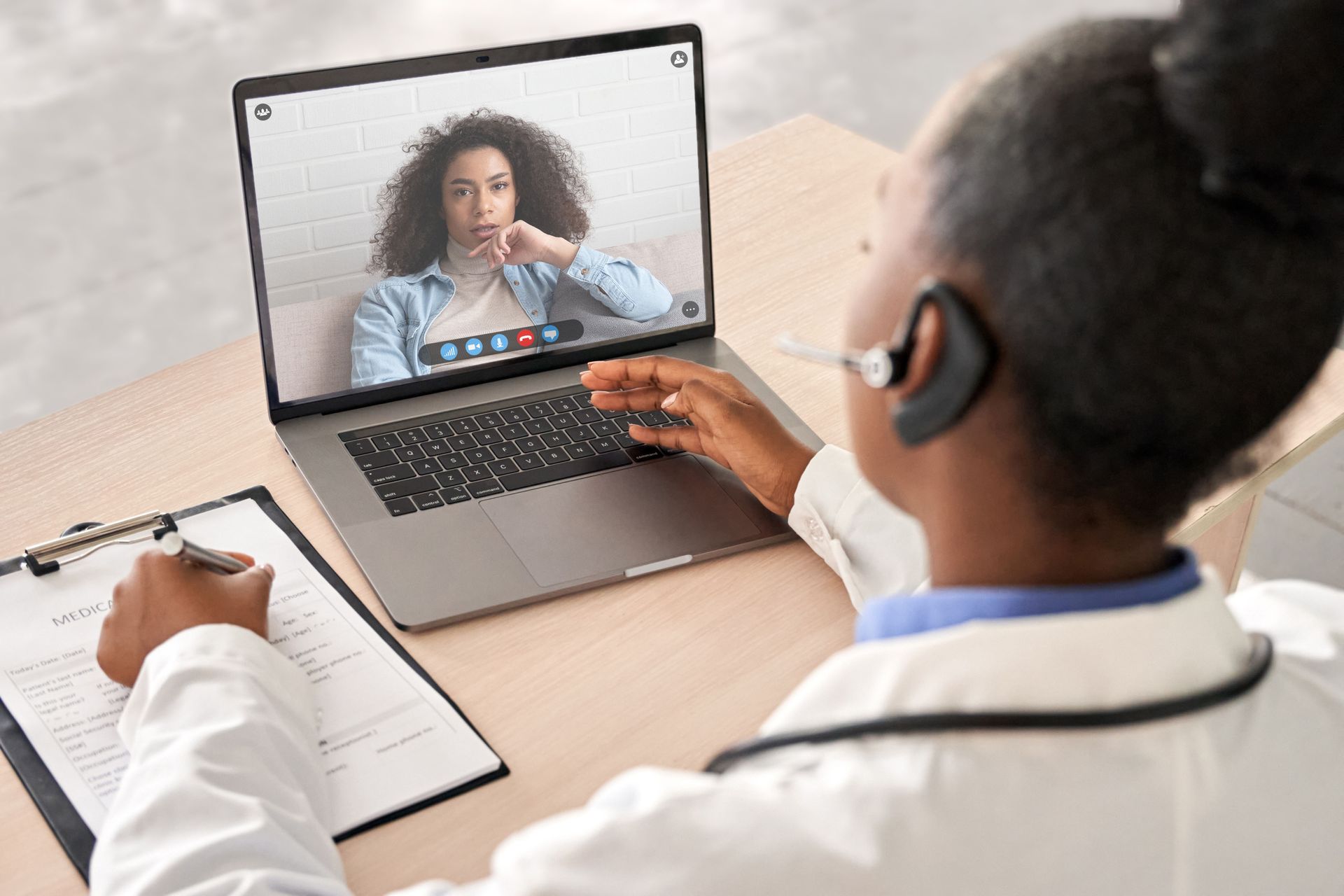
A virtual medical appointment is exactly what it sounds like: a healthcare consultation conducted remotely using digital technology. Patients typically connect with their provider through a secure video platform, though some visits may take place over the phone or through specialized telehealth software.
These appointments allow patients to discuss symptoms, review medications, receive medical guidance, and manage ongoing conditions without needing to be physically present in a clinic. For many people, this removes logistical barriers that once made scheduling healthcare difficult.
The scope of a virtual doctor visit can vary widely. Some appointments focus on diagnosing minor illnesses, while others help monitor chronic conditions such as high blood pressure, diabetes, or allergies. Mental health consultations are also commonly conducted online because many patients find it easier to speak openly from a familiar environment.
Understanding the purpose of these visits helps set realistic expectations. While some medical issues still require in-person examinations, a large number of routine concerns can be addressed effectively through virtual care.
Preparing The Technology Before The Appointment
Technology is the foundation of every virtual healthcare experience. Preparing your devices ahead of time helps prevent unnecessary stress once the appointment begins.
Most telehealth services require a smartphone, tablet, or computer equipped with a camera and microphone. These tools allow the provider to see and hear you clearly, which improves communication and helps them better understand your condition. A stable internet connection is also essential to avoid interruptions during the conversation.
Before your appointment begins, take a few minutes to test your device. Open the telemedicine platform, confirm that your camera and audio settings work properly, and ensure your device is fully charged. If the platform requires a specific app or login credentials, install and verify everything in advance.
A smooth connection can make a major difference in how comfortable and productive the conversation feels. When the technical side is ready, both you and your healthcare provider can focus on the actual purpose of the virtual doctor visit—your health.
Organizing The Information You May Need
Preparation goes beyond technology. Having the right information nearby can help your healthcare provider evaluate your concerns more efficiently.
Start by gathering basic health details such as current medications, allergies, recent test results, and any past diagnoses that might relate to your symptoms. If you have medical records available through a patient portal, it can be helpful to keep them open during the call for easy reference.
It is also useful to note the timeline of your symptoms. When did they begin? Have they improved, worsened, or changed over time? These details help your doctor form a clearer picture of what might be happening.
Many patients find it helpful to write down questions before the appointment begins. When people are nervous or pressed for time, it is easy to forget important concerns. A short list ensures that your priorities are addressed during the virtual doctor visit and helps the conversation stay organized.
Creating The Right Environment for The Conversation
Where you take your appointment can affect the quality of the experience more than many people realize. A quiet and private environment makes it easier to communicate clearly and focus on the discussion.
Choose a location where interruptions are unlikely. This might be a home office, bedroom, or another quiet area where background noise is minimal. Privacy is especially important when discussing personal health information, so avoid shared spaces when possible.
Lighting also plays an important role. Sitting near natural light or using a lamp positioned in front of you can help the provider see your face clearly. This becomes especially helpful if they need to observe visible symptoms such as skin irritation, swelling, or other physical changes.
A comfortable environment encourages open communication. When you feel relaxed and focused, your virtual doctor visit becomes less about technology and more about meaningful medical guidance.
Communicating Clearly With Your Provider
Communication is the most important part of any healthcare appointment, and it becomes even more essential when meeting virtually. Since your doctor cannot conduct a full physical exam, clear descriptions of symptoms help them better understand your condition.
Try to explain your symptoms as specifically as possible. Instead of saying you “feel sick,” describe what you are experiencing. Is there pain, fatigue, nausea, or another issue? When did it begin? How severe does it feel on a scale from one to ten?
It also helps to mention patterns or triggers you have noticed. For example, symptoms might worsen after eating certain foods or during specific activities. These observations give your provider valuable clues.
Maintaining eye contact with the camera and speaking at a steady pace can also improve communication. Even though the appointment happens through a screen, treating it like a face-to-face conversation makes the virtual doctor visit feel more natural and productive.
Navigating The Cost and Pricing Questions
Cost transparency has become an important topic in telehealth services. While many virtual appointments are affordable and convenient, patients sometimes feel confused about pricing structures or insurance coverage.
Research shows that pricing transparency in telehealth can still be confusing for some patients. According to Experian Health, about 17% of patients report feeling frustrated by unclear pricing structures when accessing telehealth services. This highlights why it is important to ask questions about costs, insurance coverage, or billing before or during your appointment so you fully understand what to expect.
Patients should feel comfortable discussing billing details with their healthcare provider or administrative staff. Asking whether the visit is covered by insurance, what copay may apply, or how follow-up visits are billed can prevent surprises later.
By addressing these questions early, patients can focus more fully on the medical aspects of the virtual doctor visit instead of worrying about unexpected costs.
Staying Engaged Throughout The Appointment
A virtual appointment can sometimes feel more casual than an in-person visit, but staying fully engaged is still important. Treating the appointment with the same level of attention you would give a clinic visit helps ensure nothing important is missed.
Start by silencing phone notifications and closing unrelated applications on your device. This minimizes distractions and keeps the conversation focused. Having a notebook nearby can also help you record key points, treatment instructions, or medication recommendations.
During the discussion, do not hesitate to ask for clarification if something is unclear. Medical terminology can sometimes feel confusing, and healthcare providers generally appreciate when patients ask questions that help them better understand their care.
Active participation makes the virtual doctor visit more collaborative. Instead of a one-sided conversation, it becomes a partnership focused on improving your health.Virtual healthcare has become an important part of modern medicine, offering patients a convenient way to receive care without travel, long waits, or scheduling conflicts. By preparing your technology, organizing medical information, choosing a quiet space, and actively communicating with your provider, you can make your appointment more productive and comfortable. As telemedicine continues to grow, patients who understand how to navigate a virtual doctor visit can benefit from its convenience and accessibility—schedule your next appointment with Southwest Urgent Care Center today.








Share On: